Is White Chocolate Real Chocolate?
When we think of chocolate, the rich, dark hues of milk or dark chocolate might come to mind first. However, nestled among these traditional favorites is white chocolate, often sparking debates about its authenticity. Let’s delve into the world of white chocolate to understand if it can truly be called ‘real’ chocolate.
What Is Chocolate?
Before we can determine if white chocolate qualifies as real chocolate, we need to understand what makes chocolate, chocolate. Traditional chocolate is made from the cacao bean, which is processed to create cocoa solids and cocoa butter. The combination of these with sugar, and sometimes milk, gives us the chocolate we know and love.
-
Dark Chocolate: Contains cocoa solids, cocoa butter, and sugar.
-
Milk Chocolate: Adds milk or milk solids to the mix of cocoa solids, cocoa butter, and sugar.
The Composition of White Chocolate
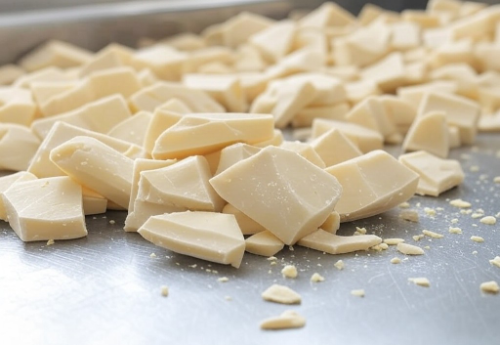
White chocolate takes a different path. It consists of:
-
Cocoa Butter: The fat component of the cacao bean, which gives chocolate its smooth texture.
-
Sugar: For sweetness.
-
Milk Solids: To provide the creamy flavor.
-
Vanilla: Often added for flavor, though not strictly necessary.
Noticeably absent are the cocoa solids, which are what give dark and milk chocolates their color and distinct chocolate flavor.
The Debate: Is It Chocolate?
The debate centers around the definition of chocolate. According to the Food and Drug Administration (FDA) in the United States, chocolate must contain cocoa solids to be labeled as such. Since white chocolate lacks these solids, by this strict definition, it isn’t considered ‘real’ chocolate.
However, from a culinary and cultural standpoint:
-
It Comes from Cocoa: White chocolate still contains cocoa butter, one of the two primary components of the cacao bean.
-
Taste and Texture: It shares the creamy texture and sweetness associated with chocolate, albeit with a different flavor profile due to the absence of cocoa solids.
-
Legal Recognition: In some places, white chocolate is legally recognized as a form of chocolate, provided it meets certain standards for cocoa butter content.
The Global Perspective
Different countries have different standards:
-
Europe: The European Union has regulations that allow white chocolate to be called chocolate if it contains at least 20% cocoa butter, 14% milk solids, and 3.5% milk fat.
-
United States: Here, the standards are more stringent, requiring cocoa solids for the chocolate label, which white chocolate does not have.
Conclusion: A Matter of Definition
So, is white chocolate real chocolate? It depends on how you define ‘real’. From a technical, FDA-regulated perspective, no, it isn’t because it lacks cocoa solids. But in the broader culinary world, where the essence of chocolate includes its origin from the cacao bean, its texture, and its use in chocolate confections, white chocolate certainly holds its place.
For chocolate lovers, white chocolate offers a unique experience, a sweet, milky counterpart to the bitterness of dark chocolate or the creaminess of milk chocolate. Whether it’s ‘real’ or not might be less important than the joy it brings to those who enjoy it in their desserts or as a standalone treat.
In the end, whether you consider white chocolate to be real chocolate might come down to personal taste, cultural acceptance, or legal definitions. But one thing is clear: it has carved out its own niche in the chocolate universe, providing a delightful variation for all to enjoy.