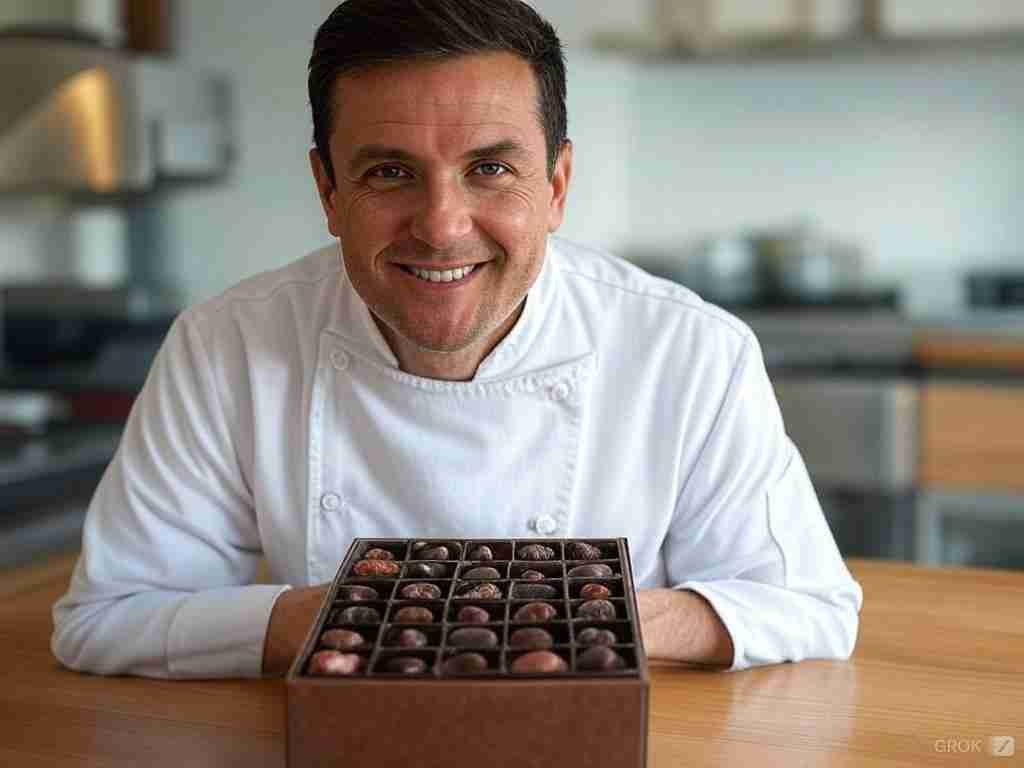
Our Official Chocolate Sponsor

RÉVOLUTION & LIBERTÉ | BLOG

Step into the world of French chocolate and patisserie with RÉVOLUTION & LIBERTÉ, an esteemed school nestled in the heart of Paris, now bringing its expertise to your doorstep through online enrollment. Here, tradition meets innovation as we celebrate the art of confectionery.
Our blog is your gateway to exploring the nuances of fine French pastries and chocolates, sharing insights from our master chefs, and offering you a taste of what our courses have to offer. Whether you’re an aspiring patissier, a chocolate enthusiast, or simply someone who loves the magic of French baking, you’ll find inspiration, recipes, and the latest trends right here.

watch this video for side bar blog: https://www.youtube.com/watch?v=we_bO_XS6rg&ab_channel=WebSquadron

Learn how to taste Chocolate Bonbon Ganache and Praline?

How to taste bonbon?

Let’s dive into the nuances of tasting chocolate, where each step from environment to aftertaste plays a crucial role in uncovering the full spectrum of flavors and textures.

Environment

  • Setting: Opt for a quiet, well-lit or slightly dimmed room at a comfortable temperature to focus your senses.
  • Temperature: Traditional tasting temperature for chocolate bonbon ganache is between 20-22°C. However, some prefer it cold from the fridge.

Sight

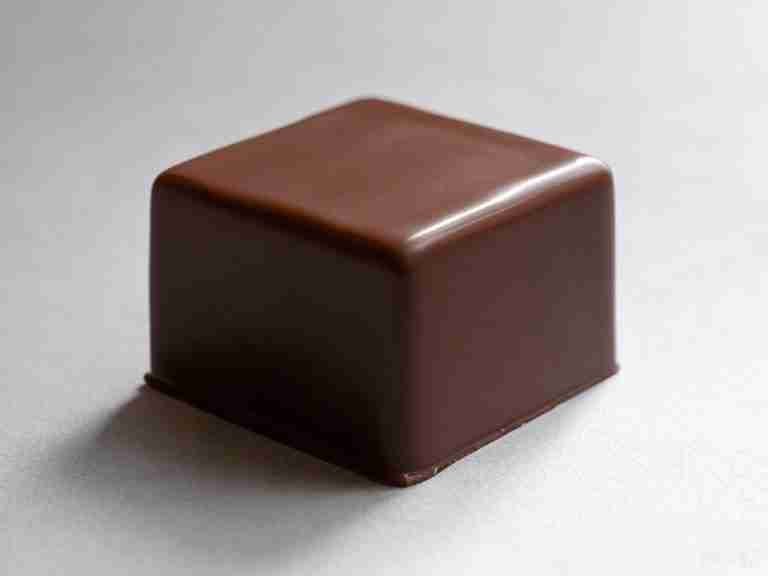
  • Shine: Look for a smooth, glossy surface on high-quality chocolate.
  • Color: Observe the color for indications of chocolate type (white, milk, dark) and quality. Darker hues generally suggest higher cocoa content.

Smell

  • Intensity: Determine if the aroma is strong or subtle.
  • Aromatic Notes: Identify scents like fruity, floral, nutty, or earthy which hint at the chocolate’s origin and processing method.

Touch

  • Texture: Feel for smoothness; high-quality chocolate should not be gritty.
  • Hardness: Dark chocolate should be firm yet not overly hard, while milk and white chocolate are softer.

Taste

  • Melt on Tongue: Take a small bite and allow the chocolate to melt slowly, releasing its flavors.
  • Flavor Identification: Distinguish various taste notes as the chocolate melts, noting how flavors evolve.

Aftertaste

  • Lingering Flavors: After swallowing, pay attention to the flavors that remain. This aftertaste can provide further insight into the chocolate’s quality.
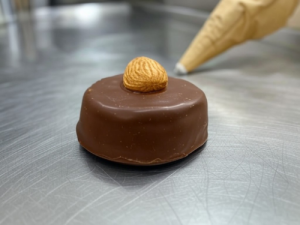
praline
Praline bonbon, almond on top.

Related articles

All
Books
bread
Chocolate
Confection
Our Army
Pastry
Programs
Recipes
Uncategorized
World
Pâte de Fruit Recipe
Ingredients: 500g of fruit (berries, stone...
Read
Chocolate Characteristics
Chocolate Characteristics Chocolates and...
Read
CHOCOLAT - Chef Chocolatier Student Book - By Francois Royal
Francois Royal We are so honored and happy!!...
Read
Detailed Raspberry Pâte de Fruit Recipe
Ingredients: Raspberry purée: 250g Granulated...
Read
Professional Chocolatier Program | Learn From Home
Welcome to Francois Royal® Academy –...
Read
Is Ruby Chocolate Real Chocolate?
Whaat is the Secret manufacturing behind...
Read
Candied Orange Peels - Chocolate Coated
Ingredients: 4 large oranges (weight of peels...
Read
Load More