
Let’s dive into the nuances of tasting chocolate, where each step from environment to aftertaste plays a crucial role in uncovering the full spectrum of flavors and textures.
Environment
-
Setting: Opt for a quiet, well-lit or slightly dimmed room at a comfortable temperature to focus your senses.
-
Temperature: Traditional tasting temperature for chocolate bonbon ganache is between 20-22°C. However, some prefer it cold from the fridge.
Sight
-
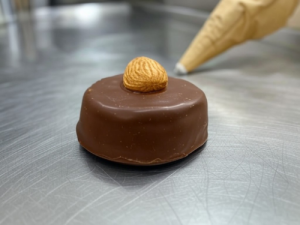
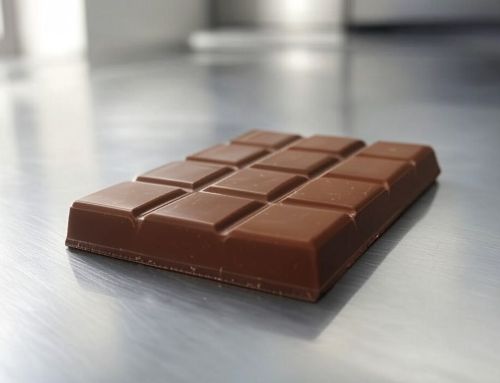
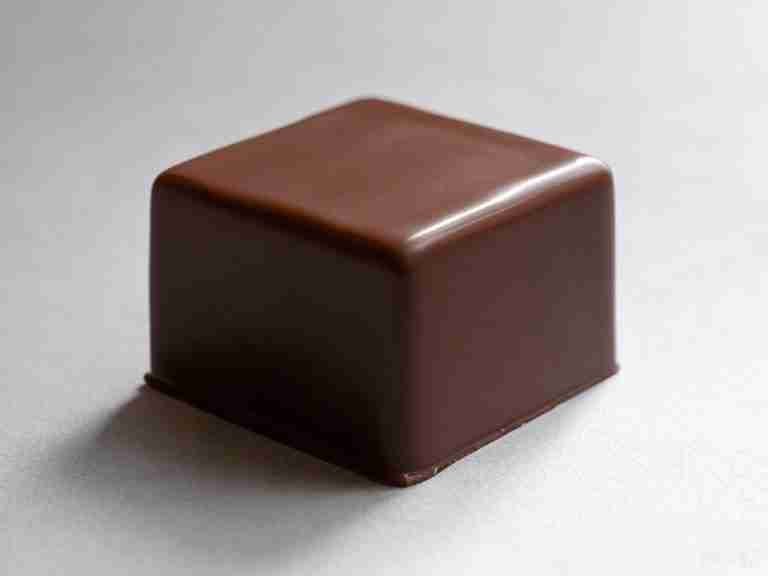
Shine: Look for a smooth, glossy surface on high-quality chocolate.
-
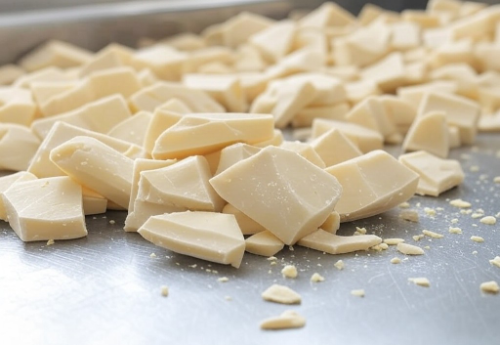
Color: Observe the color for indications of chocolate type (white, milk, dark) and quality. Darker hues generally suggest higher cocoa content.
Smell
-
Intensity: Determine if the aroma is strong or subtle.
-
Aromatic Notes: Identify scents like fruity, floral, nutty, or earthy which hint at the chocolate’s origin and processing method.
Touch
-
Texture: Feel for smoothness; high-quality chocolate should not be gritty.
-
Hardness: Dark chocolate should be firm yet not overly hard, while milk and white chocolate are softer.
Taste
-
Melt on Tongue: Take a small bite and allow the chocolate to melt slowly, releasing its flavors.
-
Flavor Identification: Distinguish various taste notes as the chocolate melts, noting how flavors evolve.
Aftertaste
-
Lingering Flavors: After swallowing, pay attention to the flavors that remain. This aftertaste can provide further insight into the chocolate’s quality.