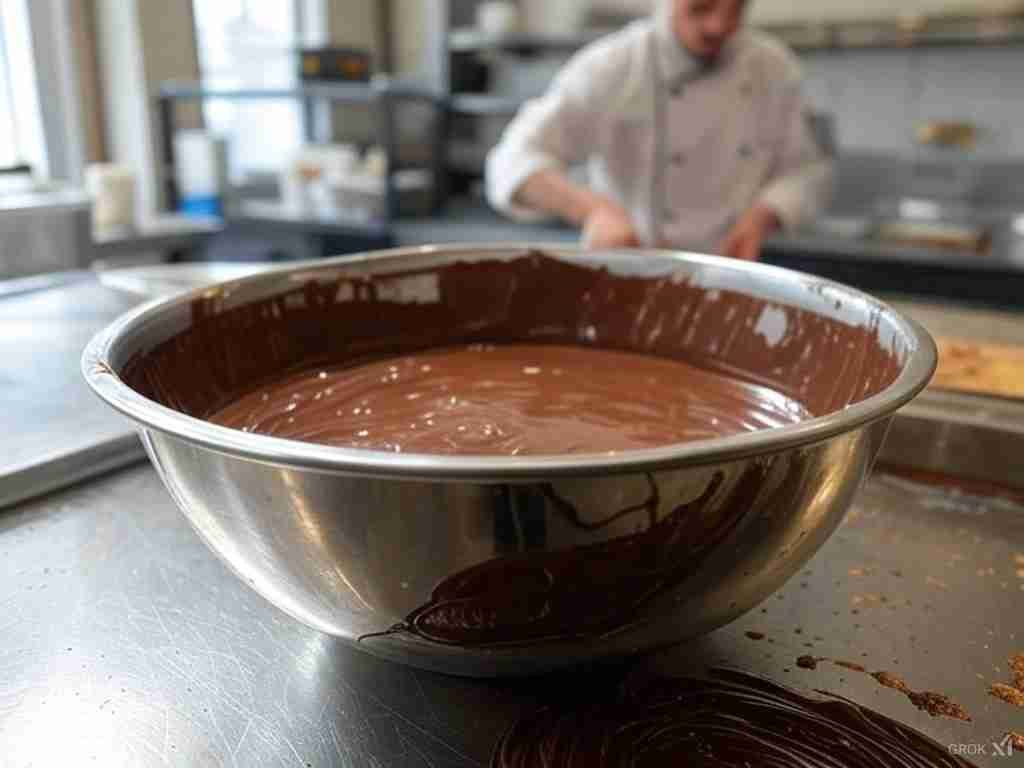
Chocolate Characteristics
Chocolates and chocolate coatings are complex to categorize due to their dependence on numerous parameters. Each quality sets certain criteria, but their primary differentiation comes from their usage.
Physical Characteristics
Fine Grinding
The fineness of the grind impacts the texture and mouthfeel of the chocolate.
Viscosity and Flow Limit
Viscosity is the resistance of a fluid (in this case, chocolate) to movement. The flow limit is the minimum value at which the product can flow. These two factors are closely related.
Viscosity
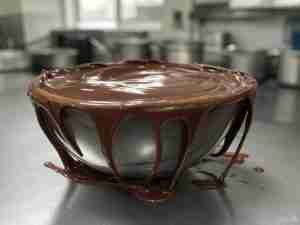
This can be observed as the amount of chocolate remaining on a product during coating. The fluidity of the chocolate becomes apparent when excess chocolate is blown off or a product is tapped.
Flow Limit, This refers to the “body” of the chocolate, which becomes important after the candy has been coated and tapped. If the flow limit is too low, the waves formed by the blower and the decorations at the end of the wrapper will disappear.
Chemical Characteristics
While not as critical, certain chemical characteristics influence the physical properties of chocolate. These include water content, fat, and lecithin content, which will act on the viscosity.
Sensory Characteristics
Two key sensory characteristics are aroma and color, determined by:
The choice of beans used (variety, origin, quality).
Treatment in producing countries (fermentation, drying).
The degree of roasting.
The sugar-bean ratio.
The quality, finesse, aeration, mixing, and duration of conching.
Bacteriological Characteristics As a finished product, chocolate is not at risk of bacteriological development as it does not contain water. However, it can cause a resurgence of mold or bacteriological changes when in contact with water, such as in the making of soft or tender ganache.